Bathroom & Daily Living Aids
Enhancing safety, comfort, and independence in your daily routine.
Shop Now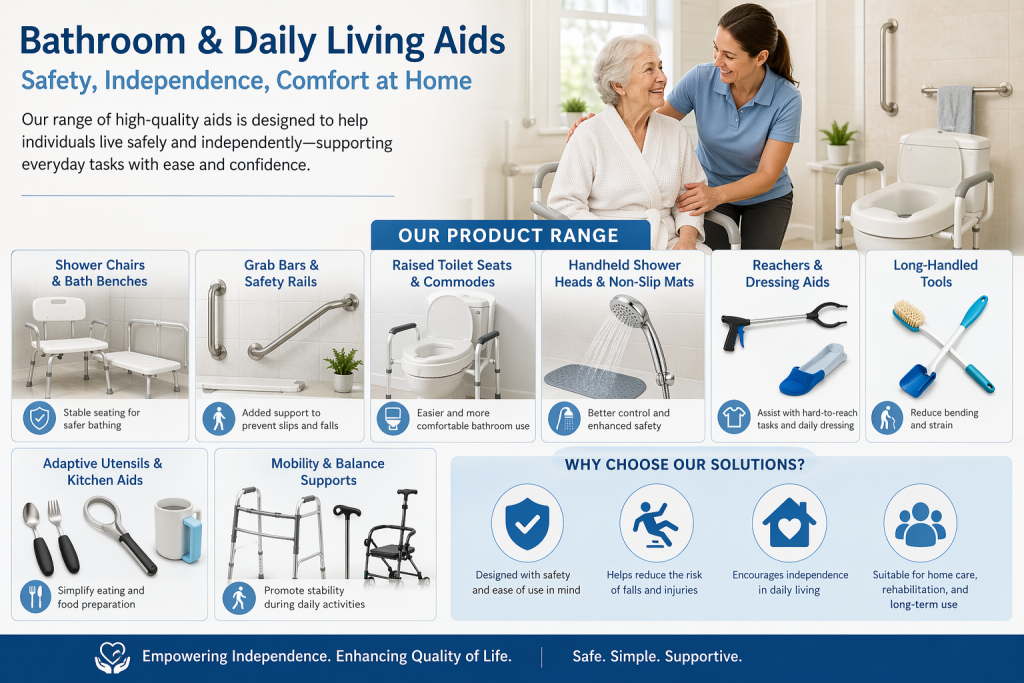
We offer a comprehensive range of bathroom and daily living aids designed to improve safety, independence, and comfort at home. Our products support individuals with mobility limitations, recovery needs, or chronic conditions—helping them perform everyday tasks with greater ease and confidence.
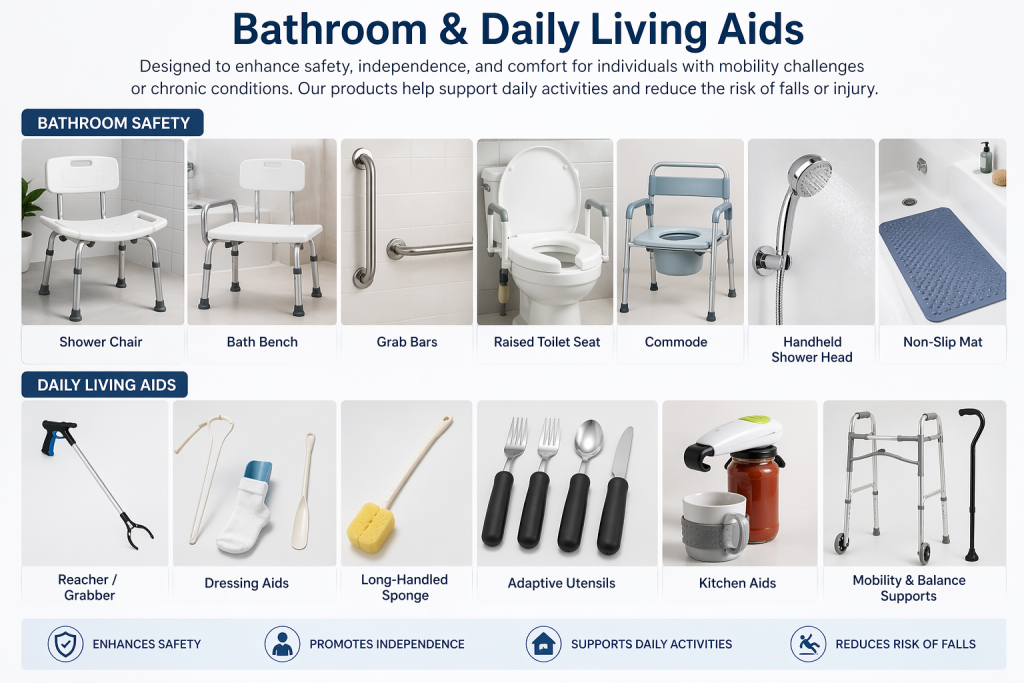
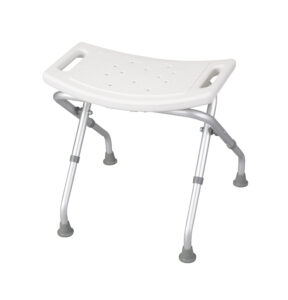
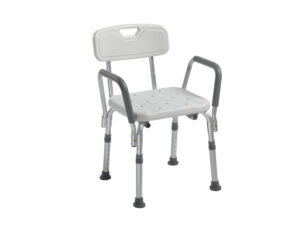
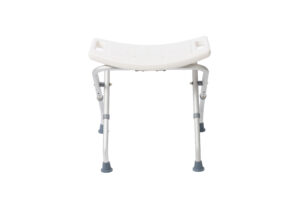
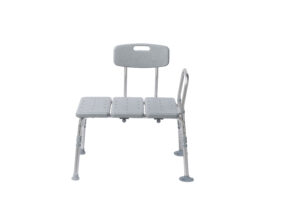
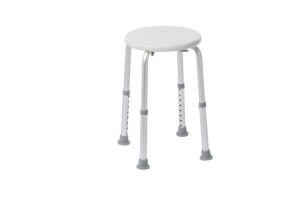
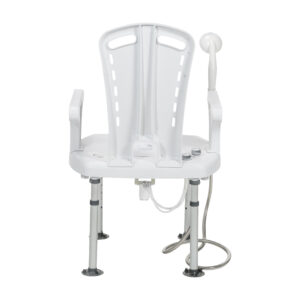
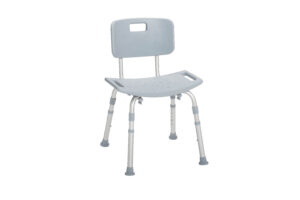
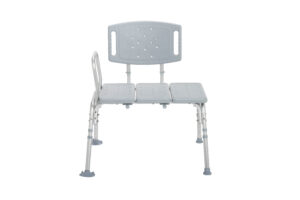
- Shower Chairs & Bath Benches – Stable seating for safer bathing
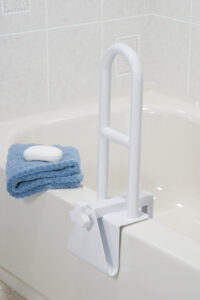
- Grab Bars & Safety Rails – Added support to prevent slips and falls
- Raised Toilet Seats & Commodes – Easier and more comfortable bathroom use
- Handheld Shower Heads & Non-Slip Mats – Better control and enhanced safety
- Reachers & Dressing Aids – Assist with hard-to-reach tasks and daily dressing
- Long-Handled Tools – Reduce bending and strain
- Adaptive Utensils & Kitchen Aids – Simplify eating and food preparation
- Mobility & Balance Supports – Promote stability during daily activities
What Our Clients Say
The service was exceptional. Everything arrived on time and the quality exceeded expectations. Highly recommend for home care needs.
Michael Carter
PatientTheir team was incredibly helpful and guided us through every step. It made a stressful situation much easier to handle.
Emily Rodriguez
CaregiverGreat experience overall. Reliable equipment and fast delivery. We’ll definitely continue working with them.
David Lee
Clinic ManagerThis range of assistive devices is designed to support patient safety, functional mobility, and independence in activities of daily living (ADLs). Each product addresses specific limitations related to balance, strength, coordination, and range of motion.
Bathroom Safety Equipment
Shower chairs and bath benches provide seated support during bathing to reduce fatigue and fall risk. Grab bars offer stable handholds for transfers and positioning. Raised toilet seats and commodes assist with safe toileting by minimizing excessive joint flexion and improving transfer mechanics. Handheld shower heads allow controlled water flow while seated, and non-slip mats enhance surface traction to prevent slips.
Daily Living Aids
Reachers and dressing aids compensate for limited reach and dexterity, enabling patients to perform self-care tasks independently. Long-handled sponges facilitate hygiene without excessive bending or stretching. Adaptive utensils are designed to improve grip and coordination for individuals with reduced hand function. Kitchen aids support safe meal preparation and feeding tasks. Mobility and balance supports, such as walkers or canes, provide stability during ambulation and functional movement.
Clinical Objective
These devices are selected to reduce fall risk, improve task performance, and support safe, independent living in the home environment. Proper use can contribute to injury prevention, energy conservation, and improved quality of life for patients with mobility or functional limitations.